
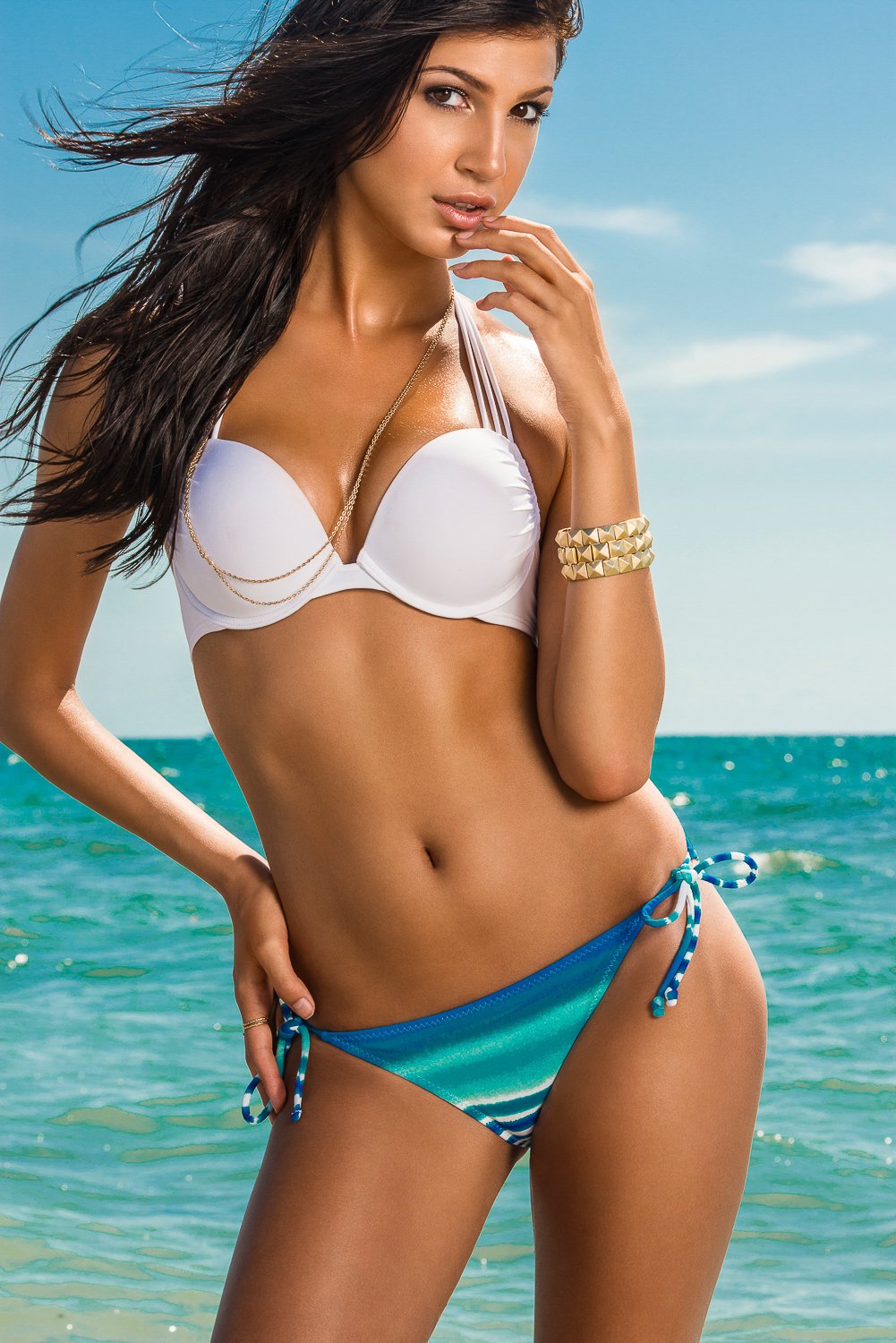
Standing in front of a camera for the first time is a strange kind of vulnerable. You know how you look in the mirror. You know how you look in selfies. But a professional camera, a strobe, and someone waiting for you to do something — that's a different situation entirely. Almost every aspiring model who starts researching a professional photographer for model portfolio work in Atlanta arrives with the same quiet worry: I don't know how to pose, and I'm going to look ridiculous.
Here's the reassuring truth. Posing is not a talent you're born with. It is a physical skill built from a small set of repeatable mechanics — weight distribution, angles, negative space, breath, and eye direction. Working models don't improvise magic in front of the lens. They cycle through a personal library of shapes they've practiced hundreds of times, adjusting a few degrees at a time based on direction. That library is learnable, and you can start building it tonight in your bedroom with a phone and a mirror.
What follows is a practical breakdown of how posing actually works, what to practice before your session, which shots a professional modeling portfolio needs, and how to use your time with a photographer so you walk away with images that agencies and casting directors take seriously.
Why Posing Feels Harder Than It Actually Is
New models tend to think of posing as performing a look. That framing sets you up to fail, because it asks you to invent something expressive on demand while a stranger watches. Experienced models think about it differently: posing is shape-making. You are arranging a three-dimensional body so that a two-dimensional frame reads well.
That reframe changes everything. A shape is objective. You can check it, adjust it, and repeat it. You can practice it. And when a photographer says "drop the shoulder half an inch," you understand exactly what's being asked instead of guessing at an emotion.
Two things make first-timers look stiff, and both are mechanical rather than mysterious:
- Symmetry. Standing square to the camera with weight on both feet, arms glued to your sides, reads as flat and static. Cameras compress depth, so a symmetrical body loses all dimension.
- Tension. Locked knees, raised shoulders, clenched hands, and held breath all show up in the frame. The lens is unforgiving about tension in the neck and jaw especially.
Fix those two and you're already ahead of most people booking their first portfolio photoshoot.
The Foundation: Posture, Alignment, and Weight
Before you learn a single "pose," learn your neutral stance. Everything else is a variation on it.
- Stack your spine. Feet roughly hip-width apart, ribs down (not flared), tailbone neutral. Imagine a string pulling gently from the crown of your head.
- Roll your shoulders back and then let them drop. Not pinned, not hunched — down and away from your ears. This single adjustment lengthens the neck and instantly reads more polished.
- Shift your weight to your back foot. Roughly 70/30. This creates the subtle hip tilt that photographers call the S-curve, and it separates your legs so they read as two distinct shapes rather than one column.
- Soften the front knee. A slightly bent knee introduces a diagonal line. Diagonals create energy; straight vertical lines create stillness.
- Angle your torso 30 to 45 degrees off the lens, then bring your face back toward it. Body away, face toward — this is the single most-used principle in fashion and commercial work.
Practice this until it's automatic. Once your default stance is correct, every direction a photographer gives you becomes a small tweak rather than a full reset.
Core Posing Techniques for a Professional Modeling Portfolio
Create Negative Space
Negative space is the gap between your limbs and your body — the triangle between a bent arm and your waist, the space between your legs. Where limbs press flat against the torso, they widen and flatten. Where they separate, the silhouette reads sharper and the eye travels more easily through the frame.
Simple ways to build it:
- Hand on hip with the elbow pushed back and out
- One hand in a pocket with the thumb out and elbow away from the ribs
- Arms lifted to touch hair or the back of the neck
- A crossed leg in a seated pose creating a triangle beneath you
Solve Your Hands Early
Hands are where new models freeze. They're expressive, high-detail, and there are two of them, which doubles the opportunity for awkwardness. A few reliable defaults:
- Keep fingers long and slightly separated, never fully splayed and never in a fist
- Show the side edge of the hand rather than the flat back of it
- Give hands a task: touching a collar, adjusting a sleeve, resting on a jawline, threading through hair
- Keep them soft — even a small amount of tension in the fingers reads as anxiety
Master the Chin and Jawline
The instinct to lift your chin for a "confident" look almost always backfires. Instead, push your forehead slightly forward and down — a movement often described as the turtle. It feels absurd. It photographs beautifully, defining the jaw and eliminating any softness under the chin.
For jawline definition, add a very slight tongue-to-the-roof-of-the-mouth press and keep your lips relaxed rather than pursed.
Learn to Work Your Eyes
Eyes carry the shot. A technically perfect pose with dead eyes is a wasted frame.
- Squinch: lift the lower lids slightly while keeping the upper lids open. This reads as assured rather than startled.
- Look away, then back. Blinking on a three-count and opening on the shutter avoids the glassy stare.
- Give the lens an intention. Decide what you're thinking. Casting directors can tell the difference between a model who's thinking something and one who's thinking about their hands.
Move Between Frames
Static posing produces a portfolio where every image looks the same. Professional shoots move continuously — small, deliberate changes between each shutter click.
Practice these transitions:
- Walking toward the camera and stopping mid-stride
- Turning the head on a slow four-count
- Shifting weight from one hip to the other
- Adjusting a jacket, sleeve, or hem
- Changing only your expression while holding the body shape
Posing for the Specific Shots Your Book Needs
Different images in a professional modeling portfolio serve different purposes, and each calls for a different posing approach.
Modeling headshots. Minimal, clean, honest. Body angled, face square-ish to camera, shoulders relaxed and dropped. Expression should be open and readable — this is the image an agent looks at first.
Digitals and polaroids. These are deliberately unstyled: minimal makeup, fitted clothing, plain background. Agencies want to see your actual structure and proportions, so posing here is intentionally simple — front, both profiles, and back, standing straight with arms at your sides and hands visible. Resist the urge to "improve" these with dramatic angles.
Full-length shots. Weight on the back foot, one knee soft, torso angled. Watch your feet — pointing the front toe slightly extends the leg line. Full-length images show proportion and movement, so agencies read them closely.
Three-quarter shots. Cropped mid-thigh, these need clear separation between arms and torso. Negative space matters most here.
Editorial looks. More angular, more attitude, more risk. Sharper elbows, unusual head tilts, asymmetrical shapes. Editorial rewards the unexpected.
Commercial looks. Warmer and more approachable. Genuine smiles, open body language, relaxed shoulders. A book with only editorial images limits the work you can be submitted for.
Understanding which categories your book needs — and how many of each — is a strategic decision as much as a creative one. Two resources go deeper on that:
- How to Create a Modeling Portfolio & Choose the Right Model Portfolio Photographer — how the individual pieces of a book fit together
- Aspiring Model in Atlanta? Here's How Modeling Portfolio Photographers Build a Book That Gets Noticed — what agencies actually respond to when they review a portfolio
How to Practice Before Your Portfolio Photoshoot
Preparation is what separates a nervous first session from a productive one. Give yourself two to three weeks of light, consistent practice.
Build a reference board. Save 20 to 30 images that reflect the kind of work you want to book. Study the mechanics, not the mood — where is the weight, where are the elbows, where is the chin? Bring this board to your session.
Practice in front of a full-length mirror. Ten minutes a day. Run your neutral stance, then cycle through five variations. Watch where tension collects.
Record video, not photos. Set your phone on a shelf, hit record, and move through poses for 60 seconds. Scrub back through the footage and pause on frames you like. This is the fastest way to learn which angles work on your specific face and body — and it teaches you the transitions, which stills can't.
Learn your angles deliberately. Photograph your face from both sides, from slightly above, and at eye level. Most people have a preferred side. Knowing yours before the shoot saves session time.
Train movement. Dance, yoga, pilates, or even basic mobility work builds body awareness that translates directly to posing. Models who move well photograph well.
Prepare physically. Sleep, hydration, and skin care in the days before a shoot make a visible difference. Bring pressed, fitted clothing on hangers rather than folded in a bag.
What a Professional Photographer for Model Portfolio Work Actually Does
Here's the part that relieves most first-timers: you are not expected to know how to pose when you arrive. A skilled portfolio photographer directs. That means calling adjustments in real time, demonstrating shapes, watching for tension you can't feel, and building the session so your confidence grows as you go.
That's also why the choice of photographer matters more than any other decision in this process. A technically excellent photographer who shoots you in silence will produce stiff images. One who coaches will pull work out of you that you didn't know you had.
When you're comparing modeling portfolio photographers near you, evaluate directing ability alongside the portfolio itself. These resources walk through how to do that — and how to prepare once you've booked:
- 7 Questions to Ask Before Booking a Professional Photographer for Your Model Portfolio — a starting framework for your first conversation with any photographer
- Modeling Photographers Near Me: How to Vet Local Atlanta Talent — how to properly evaluate a local shooter before you commit
- Finding the Right Model Photographer in Atlanta: A Beginner's Roadmap — the full process, start to finish, if you're early in your search
- What Makes Model Photography 'Professional'? — the standards that separate professional work from everything else
- Best Neighborhoods in Atlanta for Editorial-Style Model Portfolio Photoshoots — worth reading before you plan your looks, since an industrial wall asks for different shapes than a soft-light interior
- The Garrin Evan Studios photography blog — additional posing, portfolio, and preparation guidance in one place
Build Your Book With Garrin Evan Studios
Garrin Evan Studios is a professional photographer for model portfolios based in Atlanta, Georgia, trusted by aspiring and working models who need agency-ready images that get noticed. From Miss Universe to a United States Senator and Presidential Candidate, Garrin Evan Studios has photographed subjects at every level — and brings that same editorial polish to every model portfolio shoot. The work has been featured in Miami New Times, Fort Lauderdale Magazine, Muses & Visionaries Magazine, JEZEBEL, and the Atlanta Journal-Constitution.
As one of the most experienced modeling portfolio photographers in Atlanta, Garrin Evan Studios understands exactly what agencies, casting directors, and clients look for in a book. Every session is built around your goals, whether you're submitting to agencies for the first time or refreshing an established portfolio. Shoots can include:
- Modeling headshots — clean, well-lit images that meet agency submission standards
- Digitals and polaroids — natural, minimal-makeup shots agencies request before signing
- Full-length and three-quarter shots that showcase your range, proportions, and movement
- Editorial and commercial looks to round out a versatile, marketable book
- Comp card–ready images formatted for print and digital submissions
Posing direction and coaching are built into every session. New faces receive the same hands-on guidance as experienced models — shape by shape, frame by frame — so you leave feeling more capable in front of a camera than when you arrived. Sessions are available on location throughout the Atlanta metro area. You can learn more about Garrin Evan Studios or explore the full portfolio at garrinevan.com.
You don't need to arrive knowing how to pose. You need a photographer who knows how to direct, a plan for the images your book actually requires, and enough preparation to walk in curious instead of anxious. The rest gets built during the session.
Ready to build a portfolio that opens doors? Contact Garrin Evan Studios to book your model portfolio photo shoot in Atlanta.